Care · Glossary
Crystal Components.
Every crystal type Crown specifies, classified by profile, function, and the maintenance protocol that keeps it performing.
 01
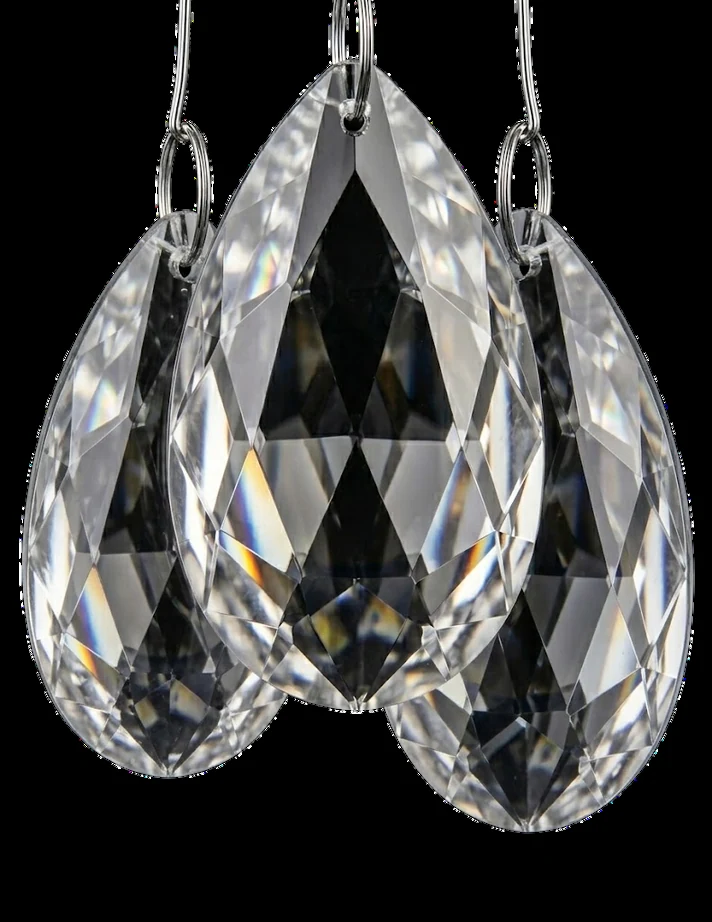
01The Classic Crystal Pendeloque
A timeless, pear-shaped or almond-cut crystal characterized by its symmetrical facets. The most recognizable silhouette in the chandelier vocabulary — what most people picture when they hear the word "crystal."
 02
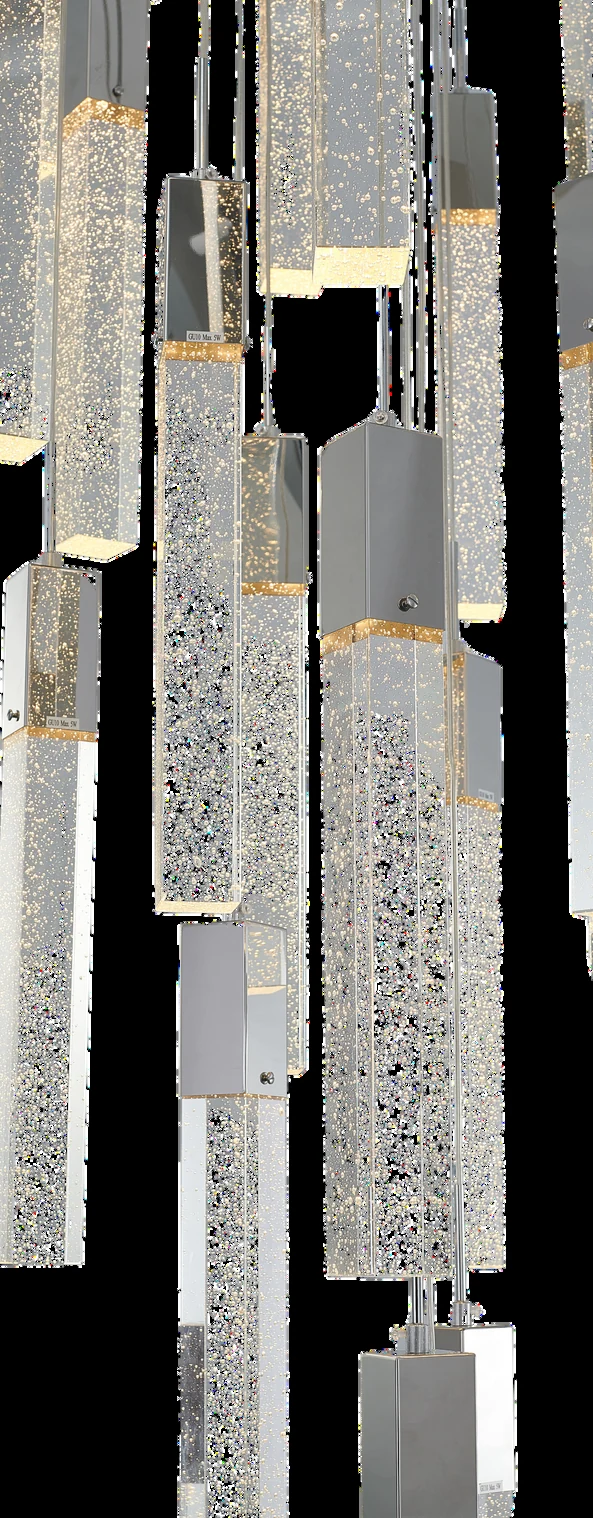
02The Seeded Crystal Bubble Block
Precision-engineered column with thousands of embedded bubbles, creating a dense, effervescent sparkle. Architectural mass meets effervescent texture.
 03
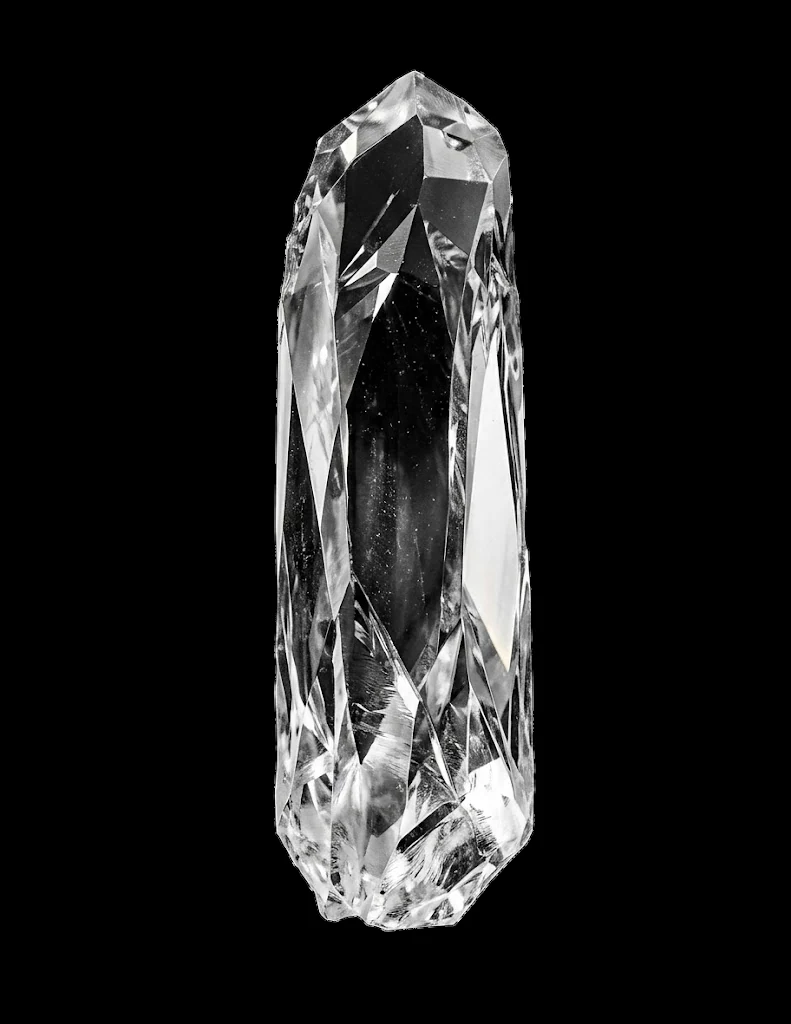
03The Crystal Chard
Raw, asymmetrical, aggressive cuts that break from traditional geometry. Where the pendeloque is composed, the chard is unruly — a deliberate sculptural disruption.
 04
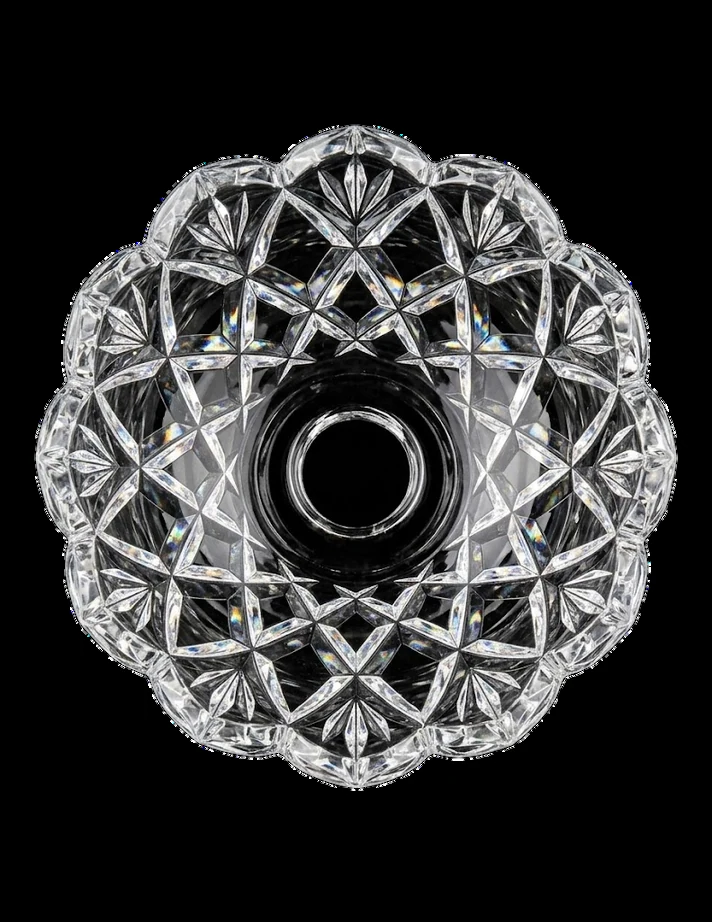
04The Scalloped Crystal Bobeche
A wide, dish-like crystal element with radial facets, traditionally used to catch wax — reimagined as a reflective light spreader at the base of the candelabra arms.
 05
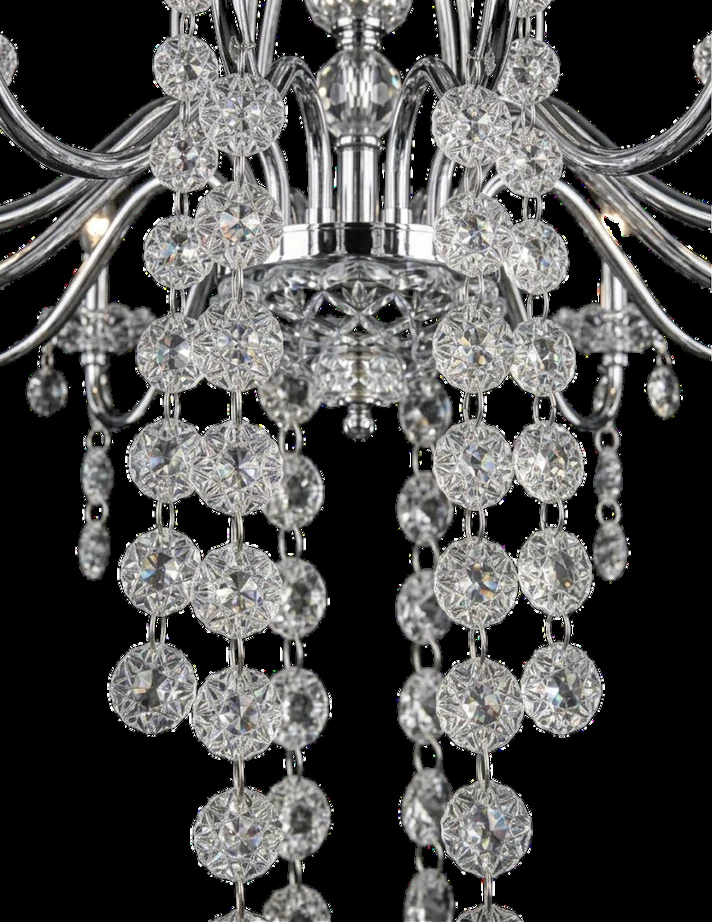
05The Crystal Rosette — Structural Jewelry
A small, typically star-shaped or floral-pattern crystal accent, used individually or strung. Less ornament than detail — the smallest faceted unit in the catalog.
 06
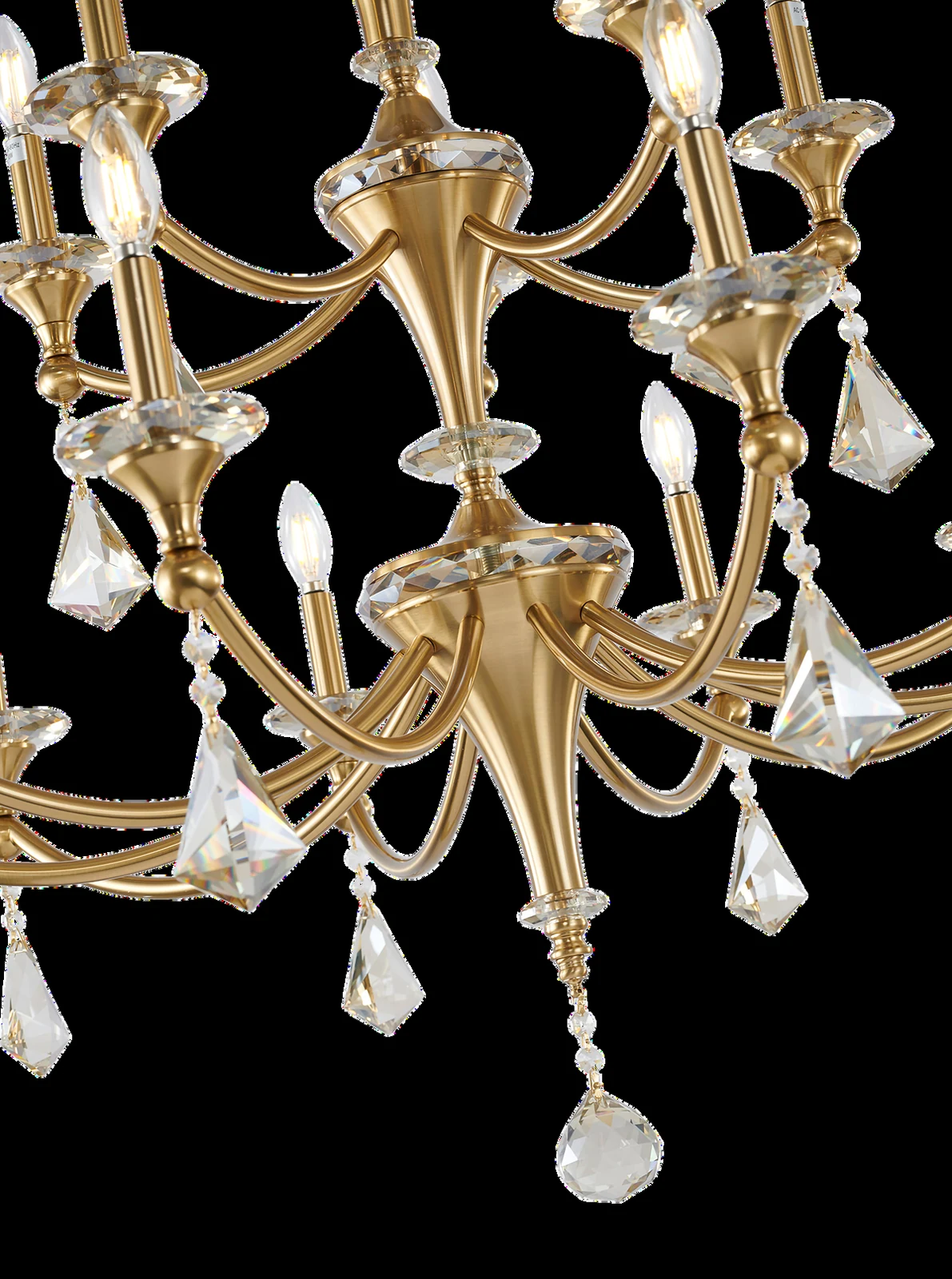
06The Crystal Regency Ball Drop
Heavy spherical crystal terminal piece featuring multilateral, symmetric diamond facets for 360-degree brilliance. The architectural full stop at the bottom of the fixture.
 07
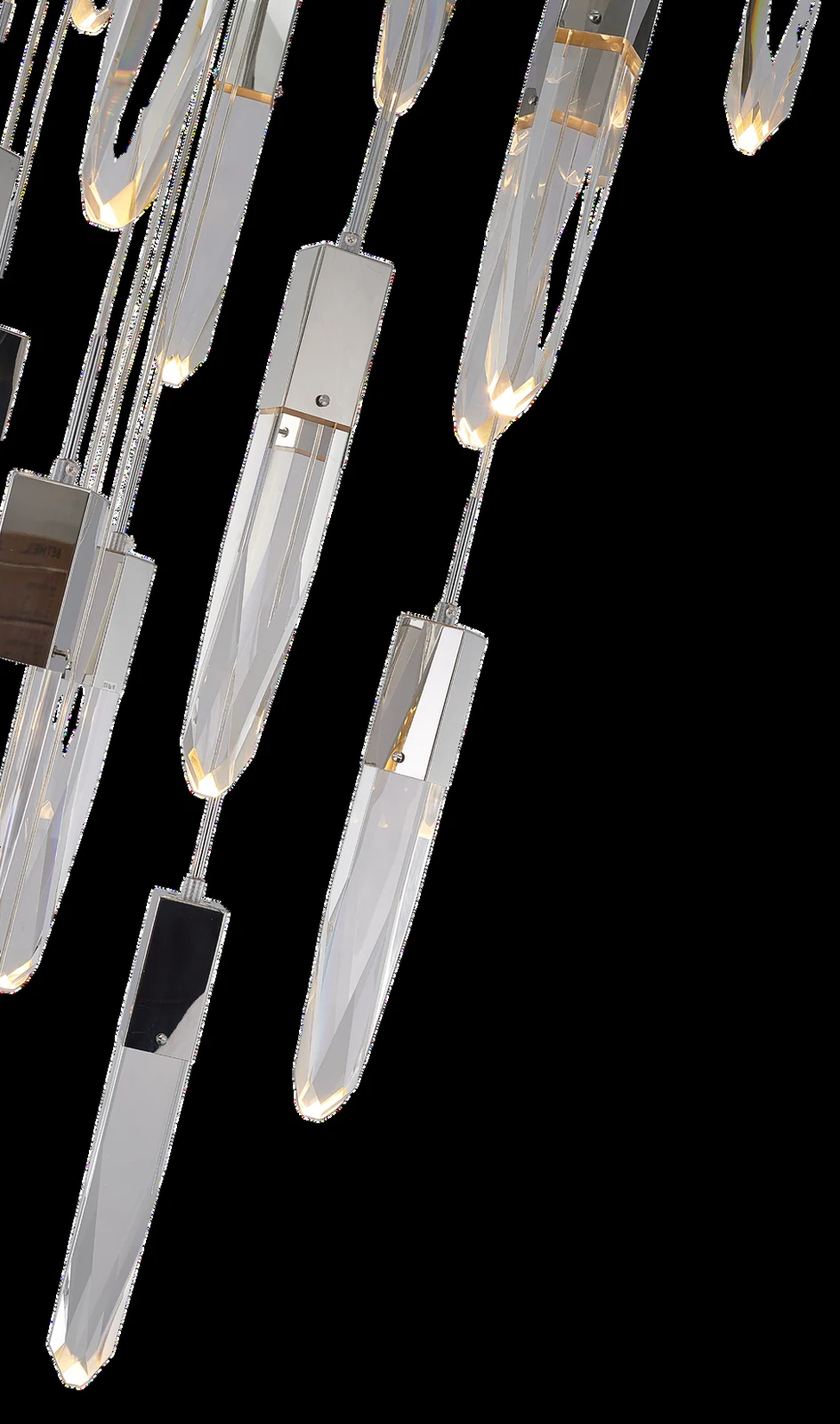
07The Clear Iceberg Crystal
An organic, irregular rectangular block featuring a rugged "chiseled" exterior. Unlike faceted crystal, its surface mimics natural ice or raw quartz.
 08
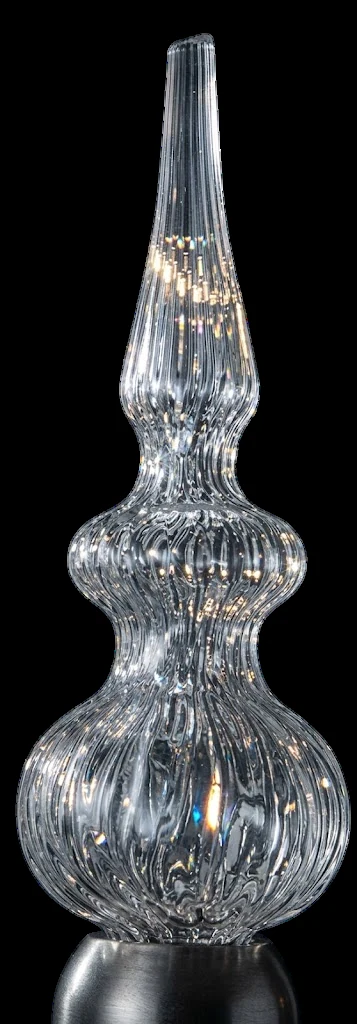
08The Clear Faceted Crystal Spire (Plume)
An elongated, organic, architectural spire. Hollow, with parallel exterior fluting and interior vertical ribbing that follow the sculptural contour.
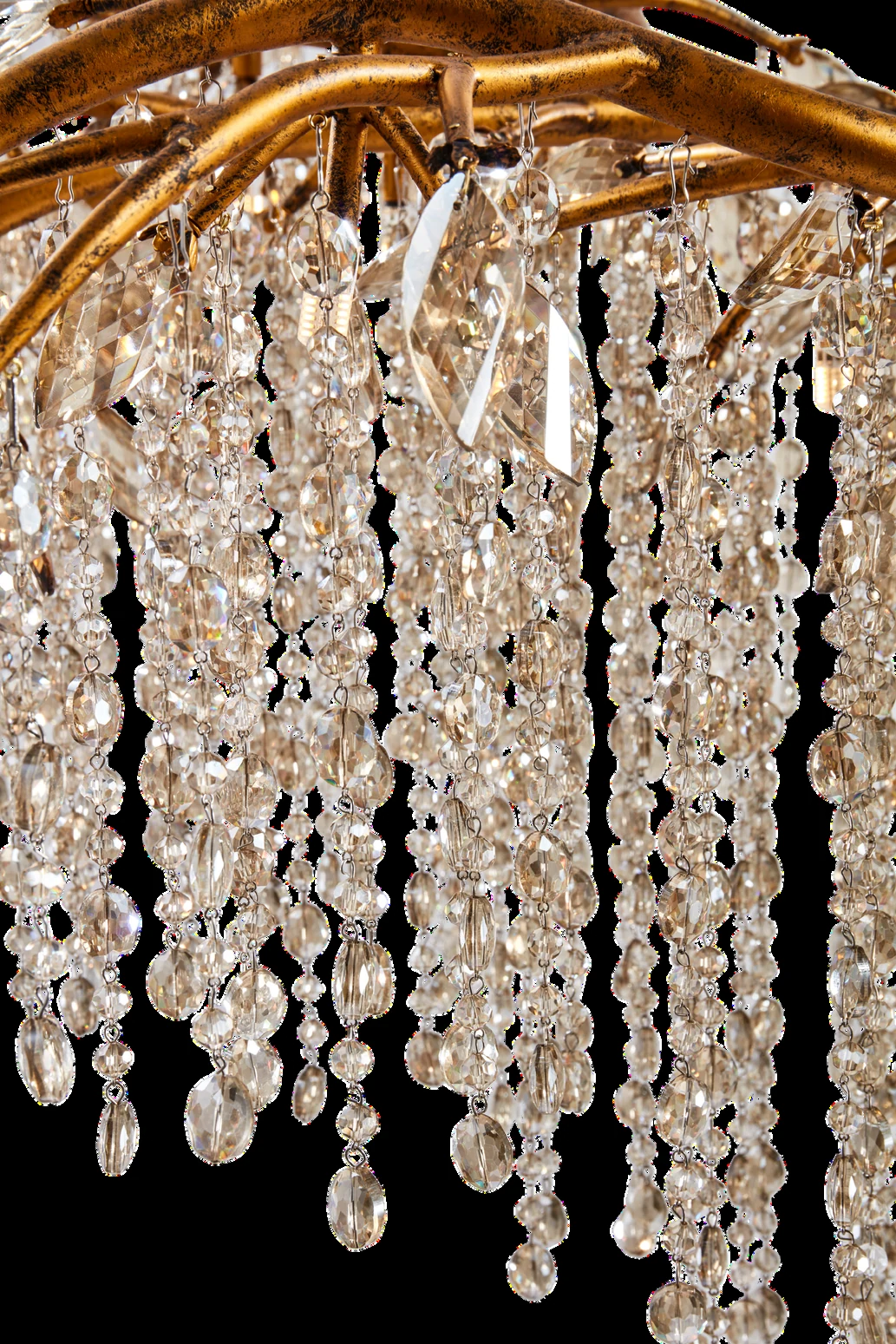 09
09The Champagne Beaded Crystal
A dense, articulated cascade of machine-cut octagonal crystal beads, fused with champagne-toned metallic oxides during the molten stage. Beads are mechanically linked.